
Great Places To Visit In Strasbourg
Strasbourg is a beautiful city located in Alsace, France. It is also the capital of the Grand Est region. The city is well known for its many historical monuments and buildings, as well as its stunningly picturesque setting on the banks of the River Rhine. And, of course, it is also home to the European Parliament.
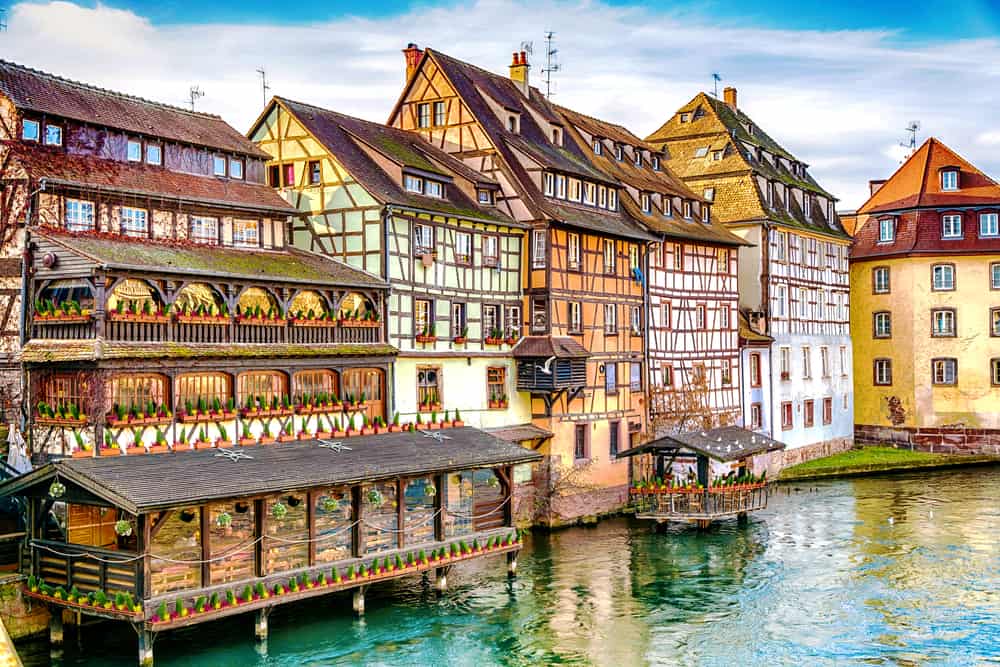
If you are planning a trip to Strasbourg, then be sure to add these 11 must-see places to your itinerary:
1. The Cathedral of Notre Dame de Strasbourg
This Gothic cathedral is one of the most famous landmarks in Strasbourg and is definitely worth a visit. Its two spires dominate the skyline and it is considered to be one of the finest examples of Gothic architecture in Europe. Inside, you can admire the stunning stained glass windows and the impressive pipe organ.
2. The Palace of Versailles: This former royal palace is now one of the most popular tourist attractions in France. It is renowned for its opulent architecture and lavish gardens.
3. The Louvre Museum: This world-famous museum is home to some of the most important works of art in history, including the Mona Lisa painting by Leonardo da Vinci.
4. The Eiffel Tower: This iconic structure is one of the most recognizable landmarks in the world. It was built for the 1889 World’s Fair and now stands as a symbol of Parisian engineering.
5. The Arc de Triomphe: This triumphal arch is located at the top of the Champs-Élysées in Paris. It was commissioned by Napoleon Bonaparte in 1806 to commemorate his military victories.
6. The Palace of Westminster: This is the meeting place of the two houses of the Parliament of the United Kingdom. It is also home to the famous Big Ben clock tower.
7. The Tower of London: This historic castle is located on the River Thames in London. It has served as a royal palace, a prison, and a place of execution over the centuries.
8. Stonehenge: This prehistoric monument is one of the most famous tourist attractions in England. It is believed to have been built by ancient Druids for religious or ceremonial purposes.
9. The Giza Pyramids: These massive structures are some of the oldest and most impressive man-made wonders in the world. They were built as tombs for Pharaohs in Ancient Egypt over 4,500 years ago.
10. The Colosseum: This massive amphitheater was built in Rome during the height of the Roman Empire. It was used for public events such as gladiatorial contests and animal hunts.
11. Machu Picchu: This Inca citadel is located high in the Andes Mountains of Peru. It is one of the most popular tourist destinations in South America.
Strasbourg is a city with a rich history and culture. There are many great places to visit, but these 11 are absolutely essential. Whether you’re interested in art, architecture, or simply want to experience some of the world’s most iconic landmarks, Strasbourg has something for everyone.
Great Places To Visit In Dubrovnik
Dubrovnik is a city in southern Croatia fronting the Adriatic Sea. It’s known for its distinctive Old Town, encircled with massive stone walls completed in the 16th century. My friend at Hill Pro-Motion Physical Therapy was telling me that its well-preserved buildings range from baroque churches to Renaissance palaces, and there are many narrow streets to explore.
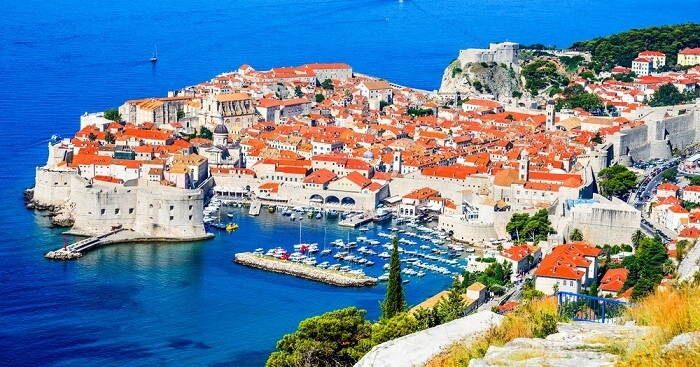
1. The Old Town
As mentioned before, Dubrovnik’s Old Town is its main attraction. A stroll through its streets and alleyways is like taking a step back in time. The architecture and atmosphere are truly unique and something you won’t find anywhere else in the world.
2. The Walls of Dubrovnik – No visit to Dubrovnik would be complete without taking a walk around the famous city walls. These massive fortifications offer stunning views of the city and sea, and are a great way to get a feel for the history of this amazing place.
3. Lokrum Island – Just a short boat ride from Dubrovnik lies Lokrum Island, a beautiful oasis with plenty of beaches, hiking trails, and even an abandoned monastery. It’s the perfect place to escape the crowds and enjoy some peace and quiet.
4. The Dubrovnik Cathedral – This beautiful cathedral is one of the most important religious sites in Croatia. It’s home to the tomb of Saint Blaise, the city’s patron saint, and its baroque interior is simply stunning.
5. Rector’s Palace – This imposing palace was once the home of the Dubrovnik Republic’s elected rector. Today, it houses a museum with a collection of art and artifacts from Dubrovnik’s past.
6. Franciscan Monastery – This monastery is home to one of the oldest pharmacies in the world, dating back to 1317. The monastery itself is also quite beautiful, and its cloisters are a must-see.
7. War Photo Limited – This unique museum is dedicated to the history of war photography. It features both contemporary and historical images, and is sure to leave a lasting impression.
8. Lokrum Botanical Garden – This garden is located on Lokrum Island (see number 3) and is home to a wide variety of plants and trees from all over the world. It’s a great place to relax and enjoy nature.
9. Dubrovnik Aquarium – The Dubrovnik Aquarium is a great place to learn about the Adriatic Sea and the creatures that call it home. It’s also home to a number of rescued sea turtles, which are sure to make you smile.
10. The Croatian Maritime Museum – This museum is located in an old shipyard and chronicles the maritime history of Croatia. It’s interactive and fun for the whole family.
11. Trsteno Arboretum – This beautiful arboretum is located just outside of Dubrovnik and is home to a wide variety of trees and plants, as well as a stunning Renaissance villa. It’s the perfect place to escape the hustle and bustle of the city and enjoy some peace and quiet.
These are just a few of the many amazing places to visit in Dubrovnik. This city has something for everyone, and is sure to make your vacation one to remember.
11 Great Places To Visit In Florence
Florence is a city in central Italy’s Tuscany region. It’s home to many masterpieces of Renaissance art and architecture. These include Michelangelo’s “David” sculpture, Botticelli’s “The Birth of Venus” painting, and Brunelleschi’s Duomo cathedral dome. The city also has several museums, palaces, and parks.
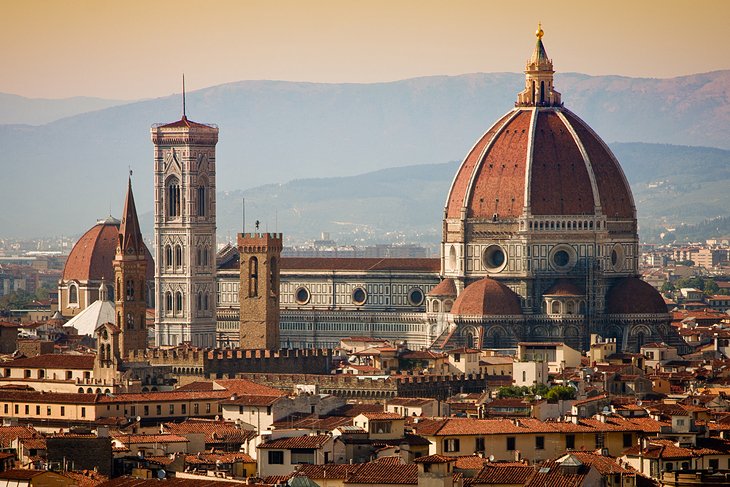
My friend at https://crphysicaltherapy.com/ told me that here are 11 great places to visit in Florence:
1. Piazza del Duomo
Piazza del Duomo is the main square of Florence. It is dominated by the Duomo, the Florence Cathedral. The exterior of the basilica is faced with polychrome marble panels in shades of pink, green, and white. The interior is one of the largest in the world, with a nave that is 60 meters high and 140 meters long.
2. Palazzo Vecchio
Palazzo Vecchio is the town hall of Florence. It is a Gothic building with a crenellated turret and an ornate facade. The interior has frescoes by artists such as Ghirlandaio, Botticelli, and Vasari. There is also a museum with paintings by Renaissance masters such as Michelangelo, Leonardo da Vinci, and Raphael.
3. Uffizi Gallery
The Uffizi Gallery is one of the oldest and most famous art museums in the world. It houses a collection of Florentine and Italian Renaissance art, including paintings by Botticelli, Michelangelo, Leonardo da Vinci, and Raphael. The gallery also has a collection of Greek and Roman sculptures.
4. Accademia Gallery
The Accademia Gallery is home to Michelangelo’s statue of David. It is one of the most famous works of art in the world. The gallery also houses a collection of Renaissance paintings and sculptures.
5. Piazza della Signoria
Piazza della Signoria is a square in Florence. It is dominated by the Palazzo Vecchio, the town hall of Florence. The square is also home to a copy of Michelangelo’s statue of David. There are also a number of other sculptures in the square, including works by Donatello and Giambologna.
6. Ponte Vecchio
Ponte Vecchio is a bridge over the River Arno in Florence. It is lined with shops, and it has a number of goldsmiths and jewelry shops. The bridge was first built in the 14th century.
7. Boboli Gardens
The Boboli Gardens are a collection of gardens behind the Palazzo Pitti. They were created in the 16th century and they include fountains, sculptures, grottoes, and an amphitheater. The gardens offer views of Florence and the surrounding countryside.
8. Basilica of Santa Croce
The Basilica of Santa Croce is a church in Florence. It is the burial place of many famous Italians, including Michelangelo, Galileo, and Machiavelli. The church has a number of artworks, including frescoes by Giotto and sculptures by Donatello.
9. Bargello Museum
The Bargello Museum is a museum in Florence. It houses a collection of Renaissance sculptures, including works by Michelangelo, Donatello, and Verocchio. The museum also has a collection of Italian medieval and Renaissance paintings.
10. Palazzo Pitti
Palazzo Pitti is a large palace in Florence. It was the home of the Medici family. The palace has a number of art galleries, including the Palatine Gallery, which houses a collection of Renaissance paintings. The palace also has a number of gardens, including the Boboli Gardens.
11. San Lorenzo Market
San Lorenzo Market is a covered market in Florence. It sells a variety of goods, including food, clothes, and souvenirs. The market is located in the San Lorenzo district.
Florence is a city with a rich history and culture. There are many great places to visit in Florence. These are just a few of the highlights.
Enchanting Lithuania Travel Destinations You’ll Fall In Love With
When you think of Lithuania, what comes to mind? If you’re like most people, you probably think of beautiful landscapes and charming villages. And you would be right – Lithuania is a stunning country with much to offer tourists. From the vibrant capital city of Vilnius to the quiet lakeside towns, there is something for everyone in Lithuania. As par my friend at Westchase Physical Therapy, In this blog post, we will explore the best travel destinations in Lithuania. So pack your bags and get ready to explore!
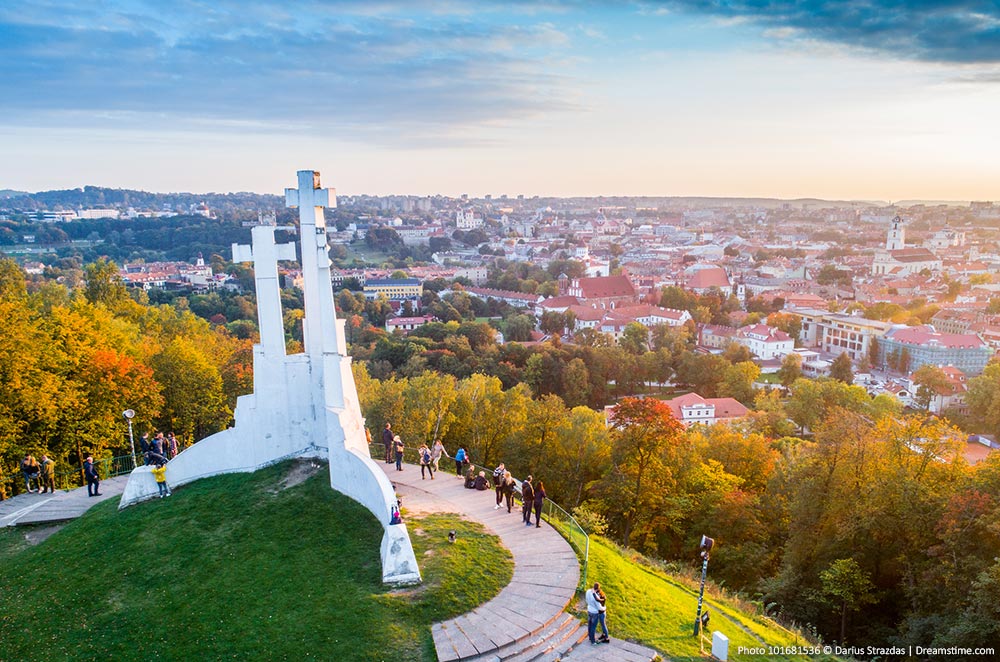
Vilnius
The capital city of Vilnius is a must-see when visiting Lithuania. This vibrant and cosmopolitan city is full of historical landmarks, museums, and art galleries. There is also a lively nightlife scene, with many bars and clubs to choose from. And if you’re looking for some retail therapy, Vilnius has plenty of shopping opportunities as well. Whether you’re interested in culture, history, or just want to have a good time, Vilnius is the place for you.
Trakai
If you’re looking to get away from the hustle and bustle of the city, then Trakai is the perfect destination. This small town is located on an island in a lake, and is known for its tranquil atmosphere. Visitors can explore the town’s castle, stroll through the quaint streets, or simply relax by the water. For those who enjoy outdoor activities, there are also many hiking and cycling trails in the area. If you’re looking to escape the busyness of everyday life, then Trakai is the place for you.
Kaunas
Kaunas is another great option for those looking to get away from it all. This charming city is located on the banks of the Nemunas River, and is known for its beautiful architecture and medieval Old Town. Visitors can explore Kaunas Castle, visit one of the many museums or art galleries, or take a leisurely stroll through parkland surrounds. With its idyllic setting and wealth of things to see and do, Kaunas is the perfect place to relax and enjoy your surroundings.
Klaipeda
If you’re looking for a beach vacation, then look no further than Klaipeda. This Baltic Sea resort town is perfect for those who want to enjoy the sun and the water. Visitors can lounge on the beaches, go swimming or sailing, or explore the many shops and restaurants in the area. And if you’re feeling adventurous, you can even take a day trip to one of the nearby Lithuanian towns or villages. With its beautiful setting and variety of activities, Klaipeda is the perfect place to spend your summer vacation.
Siauliai
For those interested in Lithuanian history, Siauliai is a must-see. This city is home to the Hill of Crosses, a site that is known for its religious and historical significance. Visitors can also explore the city’s many museums and art galleries, or take a walk through the old town. With its rich history and abundance of things to see and do, Siauliai is a great destination for those interested in Lithuanian culture.
Zarasai
Zarasai is a great destination for those who enjoy the outdoors. This small town is located in a lake district, and offers many opportunities for hiking, cycling, and swimming. Visitors can also explore the nearby forests, go canoeing or kayaking on the lakes, or take a horseback ride through the countryside.
Beautiful Travel Destinations In Latvia
Latvia is a small country in Northern Europe with a lot to offer visitors. From its vibrant capital city of Riga, to the stunning countryside and seaside villages, there are plenty of picturesque travel destinations to explore in Latvia. As explained by my friend while our visit to Physical Therapy Group of Florida & Cryohealth, we will take a look at the most beautiful places in Latvia that you should add to your travel bucket list!
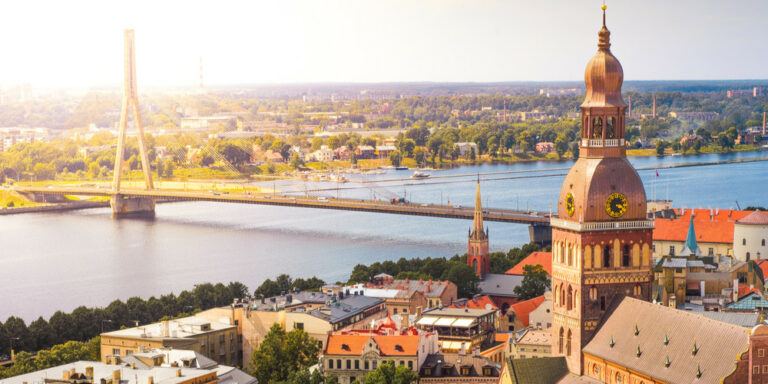
Riga
The capital city of Riga is a must-visit when travelling to Latvia. This historic city is full of charming medieval architecture, as well as plenty of green spaces to relax in. There are also many museums and art galleries to explore, making it the perfect destination for culture lovers.
Jurmala
Jurmala is a popular seaside resort town located just outside Riga. This beautiful town is home to lovely sandy beaches, as well as many spas and wellness centres where you can relax and rejuvenate. There are also plenty of restaurants and cafes to enjoy here, making it the perfect place to unwind after a day of exploring the city.
Kuldiga
Kuldiga is a small town located in western Latvia, close to the Lithuanian border. This quaint town is known for its well-preserved 18th century architecture and lovely River Venta, which flows through the centre of town. Kuldiga is also home to one of the largest waterfalls in Europe, making it a must-visit destination for nature lovers.
Cesis
Cesis is a charming medieval town located in central Latvia. This picturesque town is full of historic buildings and churches, as well as beautiful parks and gardens. There are also many hiking and cycling trails nearby, making it the perfect base for exploring the Latvian countryside.
Sigulda
Sigulda is a small town located near Cesis. This scenic town is situated on the banks of the Gauja River and is surrounded by forests and rolling hills. Sigulda is also home to many castles and fortresses, as well as a cable car which offers stunning views of the surrounding countryside.
Cesis Medieval castle
One of the most popular tourist attractions in Latvia is the Cesis Medieval castle. This imposing 13th century fortress is located in the centre of town and offers stunning views of the surrounding countryside. The castle is also home to a museum, which tells the history of the town and its people.
Rundale Palace
Rundale Palace is a beautiful 18th century palace located in southern Latvia. This spectacular palace was built for Duke Ernst Johann von Biron and features an ornate Baroque exterior, as well as lavish interiors with sumptuous furniture and tapestries. The palace grounds are also home to lovely gardens, making it a perfect place to relax and soak up the scenery.
Ventspils
Ventspils is a port town located on the Baltic Sea coast. This pretty town is known for its lovely beaches, as well as its medieval castle. There are also many restaurants and cafes to enjoy here, making it the perfect place to relax after a day of exploring.
Liepaja
Liepaja is a city located on the west coast of Latvia. This historic city is full of beautiful architecture, as well as plenty of museums and art galleries to explore. There are also many lovely beaches nearby, making it the perfect destination for a summer getaway.
Enchanting Italian Travel Destinations You Must Visit
When you think of Italy, what comes to mind? The Colosseum, the Leaning Tower of Pisa, Venice with its gondolas – these are some of the most famous images associated with Italy. But as par my friend at PT 360° Sports Medicine & Spine Therapy, there is so much more to see in this amazing country! In this blog post, we will explore enchanting Italian travel destinations that you must visit. From the beaches of Sardinia to the rolling hills of Tuscany, Italy has something for everyone. So pack your bags and let’s go explore!
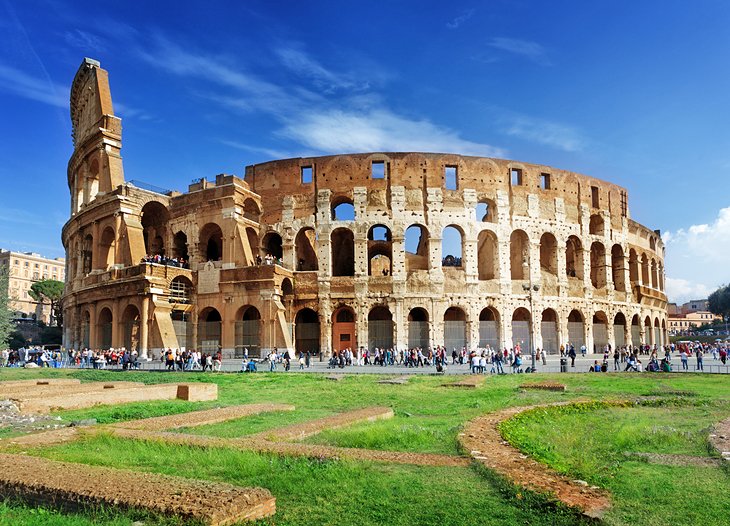
Rome
of course, is a must-see. No trip to Italy would be complete without a visit to the Eternal City. From the Vatican to the Spanish Steps, there is so much to see and do in Rome. But don’t spend all your time in the city – take some time to explore the countryside as well. Tuscany is one of the most beautiful regions in Italy, with its rolling hills and vineyards. And if you’re looking for a beach vacation, Sardinia is hard to beat. With its crystal-clear waters and white sand beaches, Sardinia is a true paradise.
Cinque Terre National Park
is located on the northwest coast of Italy and is made up of five villages: Monterosso al Mare, Vernazza, Corniglia, Manarola, and Riomaggiore. The villages are all connected by a hiking trail that offers stunning views of the Mediterranean Sea. Cinque Terre is a great place to relax and enjoy the beauty of nature.
San Gimignano
is a small town located in the province of Siena, in the Tuscan region of Italy. The town is best known for its medieval towers, which were built by wealthy families in the 12th and 13th centuries. San Gimignano is a great place to explore Tuscan culture and history.
Florence
is the capital of the Tuscan region of Italy. The city is home to some of the most famous art in the world, including Michelangelo’s statue of David and Leonardo da Vinci’s painting of the Mona Lisa. Florence is also a great place to enjoy Tuscan food and wine.
Venice
is a city located in northeastern Italy. The city is built on more than 100 small islands and is famous for its canals and gondolas. Venice is a great place to enjoy Italian food, art, and culture.
Milan
is the capital of the Lombardy region of Italy. The city is known for its fashion, design, and cuisine. Milan is also home to some of the world’s most famous art, including Leonardo da Vinci’s painting of The Last Supper.
Naples
is the capital of the Campania region of Italy. The city is located on the Gulf of Naples and is known for its pizza and Mount Vesuvius. Naples is a great place to enjoy Italian food and culture.
Lake Como
is a lake located in the Lombardy region of Italy. The lake is surrounded by mountains and is a popular destination for tourists. Lake Como is a great place to relax and enjoy the beauty of nature.
Sardinia
is an autonomous island region off the coast of Italy, and is known for its stunning beaches with crystal-clear water and white sand. The island also has beautiful mountain scenery inland. Sardinia is a great place to enjoy both beach life and outdoor activities such as hiking, biking, and kayaking.
These are just a few of the many enchanting Italian travel destinations that you must visit. So what are you waiting for? Pack your bags and let’s go explore!
Breathtakingly Beautiful Travel Destinations in Belgium
When you think of Belgium, what comes to mind? Chocolates, beer, and waffles? While all of those things are definitely a part of Belgian culture, this small country has so much more to offer tourists. My friend at Salisbury Physical Therapy told me that from medieval villages and stunning castles to forests, lakes, and seaside towns, Belgium is a traveler’s paradise. In this blog post, we will explore breathtakingly beautiful travel destinations in Belgium that you simply must visit!
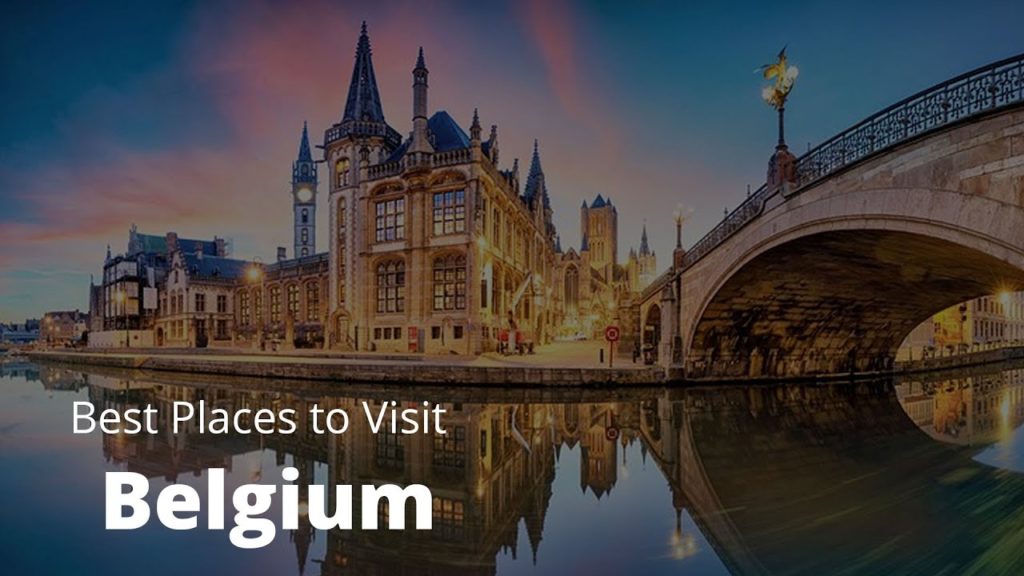
Grand Place, Brussels
The Grand Place in Brussels is one of the most beautiful squares in Europe. This UNESCO World Heritage Site is surrounded by gothic buildings and home to the magnificent 15th-century City Hall. Every summer, the square comes alive with a spectacular flower carpet made up of over half a million begonias.
Bruges
Bruges is often referred to as the “Venice of the North” because of its canals and cobblestone streets. This medieval city is full of charm and character with its Gothic architecture, quaint shops, and horse-drawn carriages. Be sure to visit Markt Square, which is lined with market stalls selling everything from fresh produce to Belgian lace. And don’t forget to try some of the delicious local food!
Ghent
Ghent is another medieval city that is definitely worth a visit. This picturesque town is located on the confluence of three rivers and is known for its beautiful canals and Flemish architecture. Ghent was once one of the richest cities in Europe and you can still see this wealth in its grandiose buildings, such as the Saint Bavo Cathedral and Gravensteen Castle.
Forest of Hainaut
The Forest of Hainaut is a large forest located in southern Belgium. This forest is perfect for nature lovers who want to go hiking, biking, or horseback riding through its scenic trails. The forest also has several lakes where you can go swimming, canoeing, or fishing.
Ostend
Ostend is a beach town located on the North Sea coast of Belgium. This seaside resort is perfect for a summer getaway with its sandy beaches, boardwalk, and outdoor cafes. Ostend is also home to several museums, including the Museum of Fine Arts and the Ostend War Museum.
The Canals of Bruges
The Canals of Bruges are a network of canals that run through the city of Bruges. These canals are one of the main reasons why Bruges is often referred to as the “Venice of the North.” The best way to see the canals is by taking a boat tour, which will give you a unique perspective of this beautiful city.
The Ardennes
The Ardennes is a region in southern Belgium that is known for its beautiful countryside and outdoor activities. This region is perfect for nature lovers who want to go hiking, biking, or horseback riding through its scenic trails. The Ardennes also has several lakes where you can go swimming, canoeing, or fishing.
The Battlefields of Flanders
The Battlefields of Flanders are a series of World War I battlefields located in northern Belgium. These battlefields are a testament to the horror and devastation of war. However, they are also a beautiful reminder of the sacrifice made by the soldiers who fought and died here.
Mons
Mons is a small city located in southern Belgium. This city is known for its beautiful architecture and cobblestone streets. Mons is also home to several museums, including the Museum of Fine Arts and the Mons War Museum.